
Moving to Waukesha in Winter: What Locals Know
Moving to Waukesha in winter is completely doable, but only if you understand how Wisconsin winters actually work. Snow, ice, freezing temperatures, and local parking rules all affect moving day in ways newcomers often underestimate. Locals plan for these challenges. Out-of-state movers usually learn the hard way.
If you are relocating to Waukesha during winter, here is what residents already know and what you need to plan for.
Why Winter Moves in Waukesha Are Different
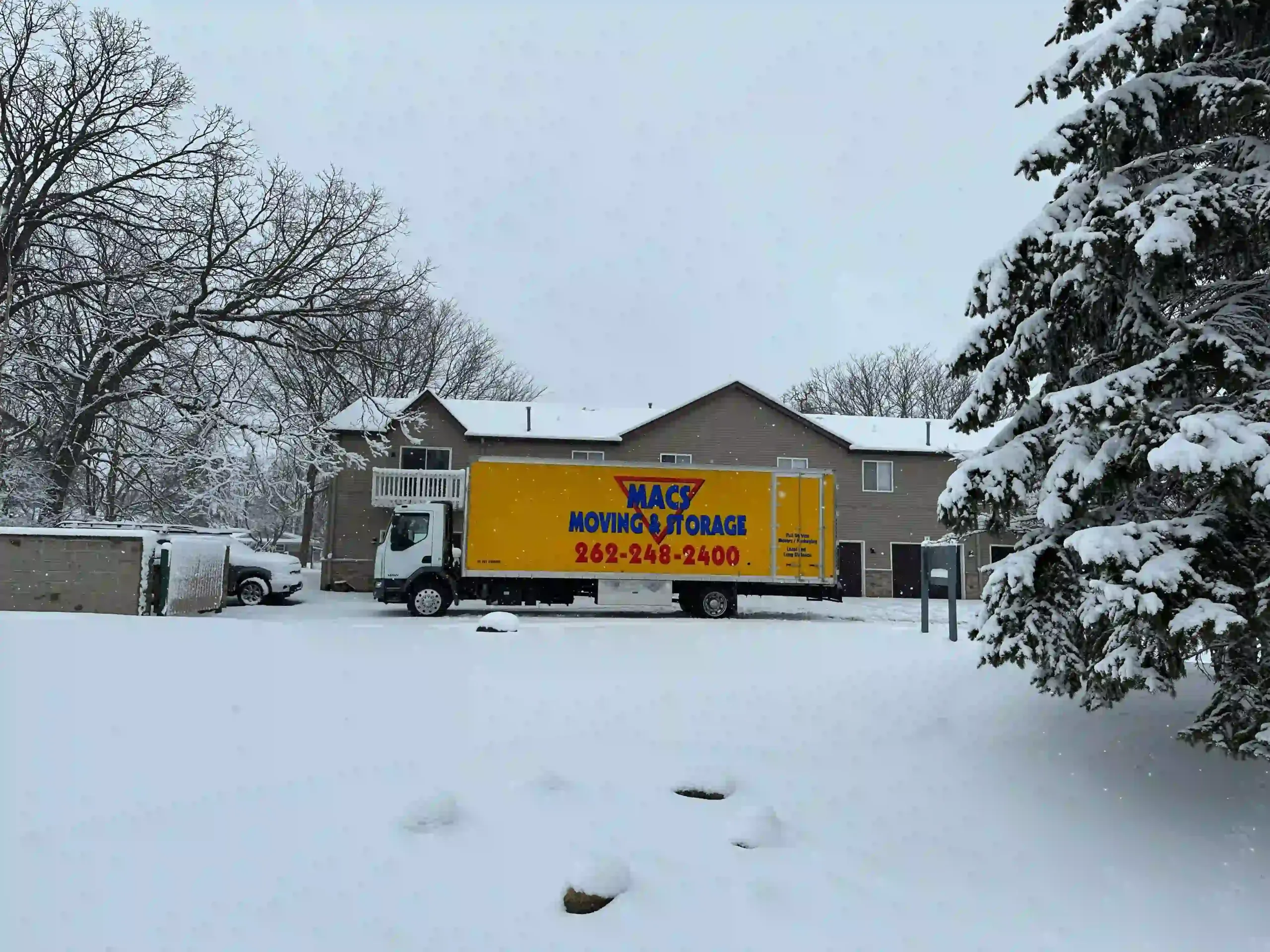
Wisconsin winters are unpredictable. One week can be mild, the next can bring heavy snow or ice. These conditions affect truck access, timelines, and safety.
In Waukesha, winter does not just slow things down. It changes how moves must be executed. Carry distances get longer, loading takes more time, and floor protection becomes essential. This is why hiring Waukesha movers who are experienced with winter conditions matters far more than during warmer months.
Snow, Ice, and Parking Rules Can Make or Break Moving Day
Parking restrictions are one of the biggest winter moving challenges in Waukesha. After snowfall, alternate-side parking rules and snow emergency declarations can limit where a moving truck is allowed to park.
If a truck cannot park close to your home, the move takes longer and increases the risk of damage or injury.
Locals plan ahead by:
- Checking snow emergency notices the night before
- Clearing snow and ice from sidewalks and driveways early
- Coordinating parking access in advance
Professional movers familiar with Waukesha handle these issues proactively rather than reacting on moving day.
The Best Time to Move During Winter
Timing matters more in winter than in any other season.
Best winter months for moving in Waukesha
- Late November, before consistent snowfall
- January, after the holidays, when demand is lower
- Late February through early March, as conditions begin to improve
Best days of the week
- Tuesday through Thursday
- Midweek traffic is lighter
- Scheduling is more flexible if the weather causes delays
Avoid moving during or immediately after major snowstorms whenever possible.
How MACs Moving and Storage Handles Winter Moves
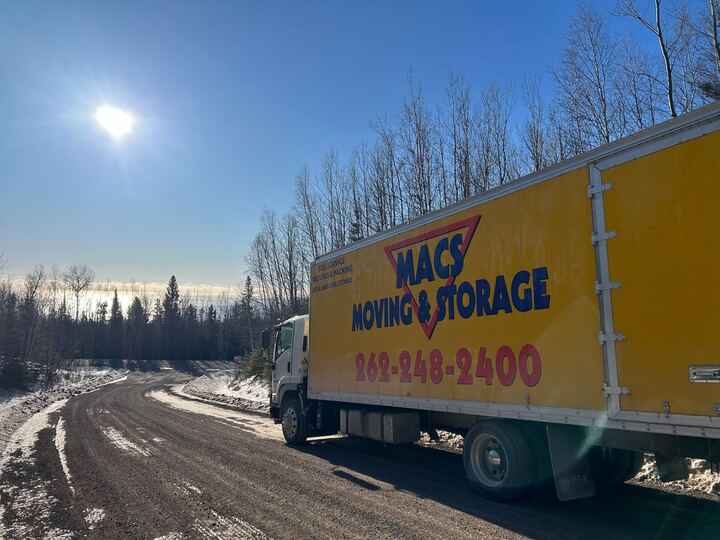
Winter moves require more than just extra layers. MACs Moving and Storage prepares crews, trucks, and timelines specifically for Wisconsin winters.
Winter moving preparations include:
- Trucks maintained for cold-weather performance
- Crews trained for icy surfaces and winter safety
- Additional moving blankets for temperature protection
- Floor runners and protective coverings to guard against snow and salt
- Flexible scheduling when weather conditions change
This preparation protects both your belongings and your home.
Protecting Floors and Entryways in Cold Weather
Snow, ice melt, and road salt can quickly damage flooring during a winter move. Hardwood floors, carpets, and tile are especially vulnerable.
Locals know to:
- Use heavy-duty floor runners from the entry to the truck
- Keep towels near doorways to dry equipment
- Salt and shovel walkways well before movers arrive
Professional movers come prepared with commercial-grade protection that significantly reduces the risk of damage.
Packing Tips That Matter More in Winter
Cold temperatures affect certain items more than others. Electronics, wood furniture, and fragile items need extra care.
Winter packing tips include:
- Padding electronics to prevent condensation
- Avoid using plastic wrap directly on wood furniture
- Keeping medications and important documents with you
- Allowing items to acclimate before powering them on after delivery
Experienced movers plan loading and unloading times to minimize exposure to cold temperatures.
Is Moving in Winter Cheaper
Winter is typically a slower season for moving companies, which often means better availability and more flexible scheduling.
However, winter moves may take longer due to weather conditions and safety precautions. Locals plan extra time rather than assuming a winter move will be faster.
Why Local Experience Matters More in Winter
Winter is when local knowledge becomes critical. Movers unfamiliar with Wisconsin winters often underestimate conditions. Local movers understand parking enforcement, snow removal patterns, and how weather realistically impacts move timelines.
MACs Moving and Storage has experience moving families and businesses throughout Waukesha in winter conditions, which reduces stress and prevents surprises.
Apartment vs. Single-Family Home Winter Moves in Waukesha
Winter moving challenges vary depending on where you live.
Apartment moves
- Snow removal may be handled by property management or may be your responsibility
- Elevators often require scheduling, especially in winter
- Shared parking areas can limit truck access
Single-family homes
- Driveways and sidewalks must be cleared and salted
- Narrow streets may restrict truck placement after snowfall
- Garage access can be limited by ice buildup
Local movers understand these differences and plan accordingly.
What Happens If the Weather Changes Last Minute
Weather can shift quickly in Wisconsin. Professional movers monitor forecasts closely and adjust timelines when needed.
Local companies can adapt faster because they understand seasonal patterns, road conditions, and city regulations. Flexibility is not a problem in winter. It is part of the plan.
Frequently Asked Questions
What parking rules affect winter moves in Waukesha?
After snowfall, Waukesha enforces alternate-side parking and snow emergency declarations. These restrict where a moving truck can park. If the truck can’t park close to your home, the move takes longer and costs more. Check snow emergency notices the night before your move.
How do experienced movers handle snow and ice on moving day?
They clear paths, use proper footwear, and bring equipment designed for cold-weather conditions. MACS prepares crews, trucks, and timelines specifically for Wisconsin winters. They handle icy driveways proactively instead of reacting on moving day.
What’s the best month to move during winter in Wisconsin?
Late November before consistent snowfall, January after the holidays when demand is lower, or late February through early March as conditions improve. Midweek days offer lighter traffic and more flexible scheduling.
How does MACs Moving prepare trucks and crews for winter moves?
Trucks are maintained for cold-weather performance. Crews are trained for winter conditions. Timelines include built-in buffers for weather delays. Floor protection, pathway clearing, and temperature-sensitive item handling are all part of the winter protocol.
What should I clear before the moving truck arrives in winter?
Shovel and salt your driveway, sidewalks, and any paths the crew will use. Check for ice patches. Clear a parking area close to your home. Doing this before the crew arrives saves time and prevents injuries.
Ready for Winter Moves in Waukesha?
Moving to Waukesha in winter is manageable when you plan like a local. Respect the weather, allow flexibility, and work with local movers who understand Wisconsin winters.
The biggest mistake newcomers make is treating a winter move like a summer one. The biggest advantage locals have is experience.
If you are planning a winter move in Waukesha, preparation and local expertise make all the difference. Work with a local team that knows Waukesha winters inside and out. Contact MACs Moving and Storage to plan your move the right way.