
How to Move in Bad Weather (Rain, Snow, Heat)
Moving day is stressful enough without bad weather making things harder. Rain can soak boxes and create slippery walkways. Snow and ice can slow down transportation and create safety hazards. Extreme heat can lead to exhaustion, dehydration, and damaged belongings if you are not prepared.
The good news is that moving in bad weather is manageable with the right planning. Whether you are relocating during a summer heat wave, a winter snowstorm, or a rainy weekend, a few smart precautions can protect your belongings and keep everyone safe.
Here’s how to handle moving day when the weather refuses to cooperate.
Why Weather Planning Matters During a Move
Weather-related moving problems are more common than most people realize. Wet conditions can damage furniture, electronics, and cardboard boxes. Heat can ruin candles, vinyl records, plants, and certain electronics. Snow and ice increase the risk of slips, falls, and transportation delays.
Planning ahead helps you:
- Protect your belongings from weather damage
- Reduce safety risks for movers and family members
- Avoid unnecessary delays
- Keep moving costs under control
- Make the day less stressful overall
The earlier you prepare, the smoother the move will go.
Moving in the Rain
Rain is one of the most common moving day challenges. Even light rain can create muddy floors, slippery steps, and water-damaged boxes if you are not careful.
Use Waterproof Packing Materials
Standard cardboard boxes do not hold up well in wet conditions. Consider using:
- Plastic storage bins for valuables or electronics
- Heavy-duty moving boxes
- Waterproof labels or markers
- Plastic wrap around furniture
- Mattress bags for beds and upholstered items
For especially important items like documents, laptops, and family photos, double protection is worth the effort.
Protect Floors and Entryways
Wet shoes and muddy walkways can quickly damage flooring and create dangerous slipping hazards.
Before movers arrive:
- Lay down towels near entrances
- Use plastic floor runners if possible
- Place non-slip mats by doors
- Keep umbrellas accessible
- Have extra towels available for quick cleanup
A little preparation helps prevent costly damage to both homes.
Load the Truck Strategically
When moving in the rain, timing matters. Keep the moving truck as close to the entrance as possible to minimize exposure.
Load weather-sensitive items first, including:
- Electronics
- Mattresses
- Upholstered furniture
- Artwork
- Important paperwork
Moving crews often work quickly in rainy conditions, but having a clear loading plan saves even more time.
Wear the Right Clothing
Rainy moving days are miserable if you are wearing the wrong shoes or clothing.
Wear:
- Waterproof shoes or boots with traction
- Lightweight rain jackets
- Quick-dry clothing
- Gloves with grip for carrying boxes safely
Avoid flip-flops or smooth-soled shoes that can become slippery.
Moving in Snow and Ice
Winter moves can be beautiful, but they also come with serious challenges. Snow, ice, freezing temperatures, and reduced visibility all increase the difficulty of moving day.
Check the Forecast Constantly
Winter weather changes quickly. Monitor the forecast closely during the week leading up to your move.
Pay attention to:
- Snow accumulation
- Ice warnings
- Wind chill
- Road closures
- Travel advisories
If severe weather is expected, contact your moving company early to discuss backup plans or schedule adjustments.
Clear Walkways and Driveways
Safety becomes the top priority during snowy moves.
Before the movers arrive:
- Shovel all walkways
- Salt icy areas
- Clear driveways for truck access
- Remove snow buildup near entrances
This helps prevent injuries and keeps the move moving efficiently.
Keep Winter Essentials Accessible
Do not pack away cold-weather necessities too early.
Keep these items nearby:
- Winter coats
- Gloves
- Boots
- Blankets
- Ice scrapers
- Flashlights
- Phone chargers
- Snacks and bottled water
Unexpected delays happen more often during winter moves, so being prepared matters.
Protect Furniture from Moisture
Snow eventually melts, and melted snow can damage wood furniture, floors, and boxes.
Use:
- Plastic furniture covers
- Shrink wrap
- Waterproof tarps
- Moving blankets
Wipe down wet items before loading them into the truck whenever possible.
Prepare Vehicles for Winter Travel
If you are driving during the move, winterize your vehicle beforehand.
Check:
- Tire tread
- Windshield wipers
- Antifreeze
- Battery health
- Gas levels
Keep an emergency roadside kit in your car, especially for long-distance moves.
Moving During Extreme Heat
Summer is peak moving season, but excessive heat creates serious risks. High temperatures can affect your health, damage belongings, and slow down the moving process.
Start Early in the Morning
The coolest part of the day is usually before noon. Early starts help reduce heat exposure and improve productivity.
If possible:
- Schedule movers for early morning
- Avoid afternoon loading times
- Plan breaks during peak heat hours
This is especially important in areas with high humidity.
Stay Hydrated
Dehydration can happen quickly during a move.
Keep plenty of:
- Cold water
- Sports drinks
- Electrolyte packets
- Light snacks
Avoid excessive caffeine or alcohol before and during the move.
Dress for the Heat
Heavy clothing traps heat and increases exhaustion.
Choose:
- Breathable fabrics
- Light-colored clothing
- Comfortable athletic shoes
- Hats or sunglasses for outdoor work
Heat exhaustion can sneak up quickly, so take regular breaks indoors when needed.
Watch for Heat-Sensitive Items
Some belongings should never sit in a hot moving truck for long periods.
Heat-sensitive items include:
- Candles
- Vinyl records
- Electronics
- Medications
- Plants
- Aerosol cans
- Cosmetics
- Perishable food
Transport these separately in an air-conditioned vehicle whenever possible.
Protect Pets and Children
Moving day is already stressful for pets and young children. Extreme heat makes it even more dangerous.
Consider:
- Keeping pets with a friend or family member
- Using daycare or babysitting during the move
- Providing cool indoor spaces
- Never leaving pets in vehicles
Their safety should always come first.
General Bad Weather Moving Tips
No matter the season, a few universal moving strategies help during difficult weather conditions.
Build Extra Time Into Your Schedule
Bad weather almost always slows things down. Give yourself flexibility instead of planning everything down to the minute.
Expect:
- Slower driving times
- Longer loading processes
- More frequent breaks
- Potential delays
A rushed move in poor weather creates unnecessary stress and safety risks.
Keep an Emergency Kit Handy
Every moving day should include a basic emergency kit.
Include:
- First-aid supplies
- Phone chargers
- Flashlights
- Batteries
- Snacks
- Bottled water
- Extra clothing
- Important documents
Having essentials within reach makes unexpected situations much easier to handle.
Work With Experienced Movers
Professional movers know how to handle difficult weather safely and efficiently. Experienced crews come prepared with the right equipment, floor protection, and loading strategies for changing conditions.
If the forecast looks rough, hiring professionals can save time, reduce stress, and help prevent injuries or property damage.
When Should You Reschedule a Move?
Sometimes, the safest decision is to postpone the move entirely.
Consider rescheduling if:
- Roads are unsafe
- Severe storms are expected
- Flooding is possible
- Temperatures are dangerously high
- Local authorities advise against travel
Safety always matters more than sticking to a schedule.
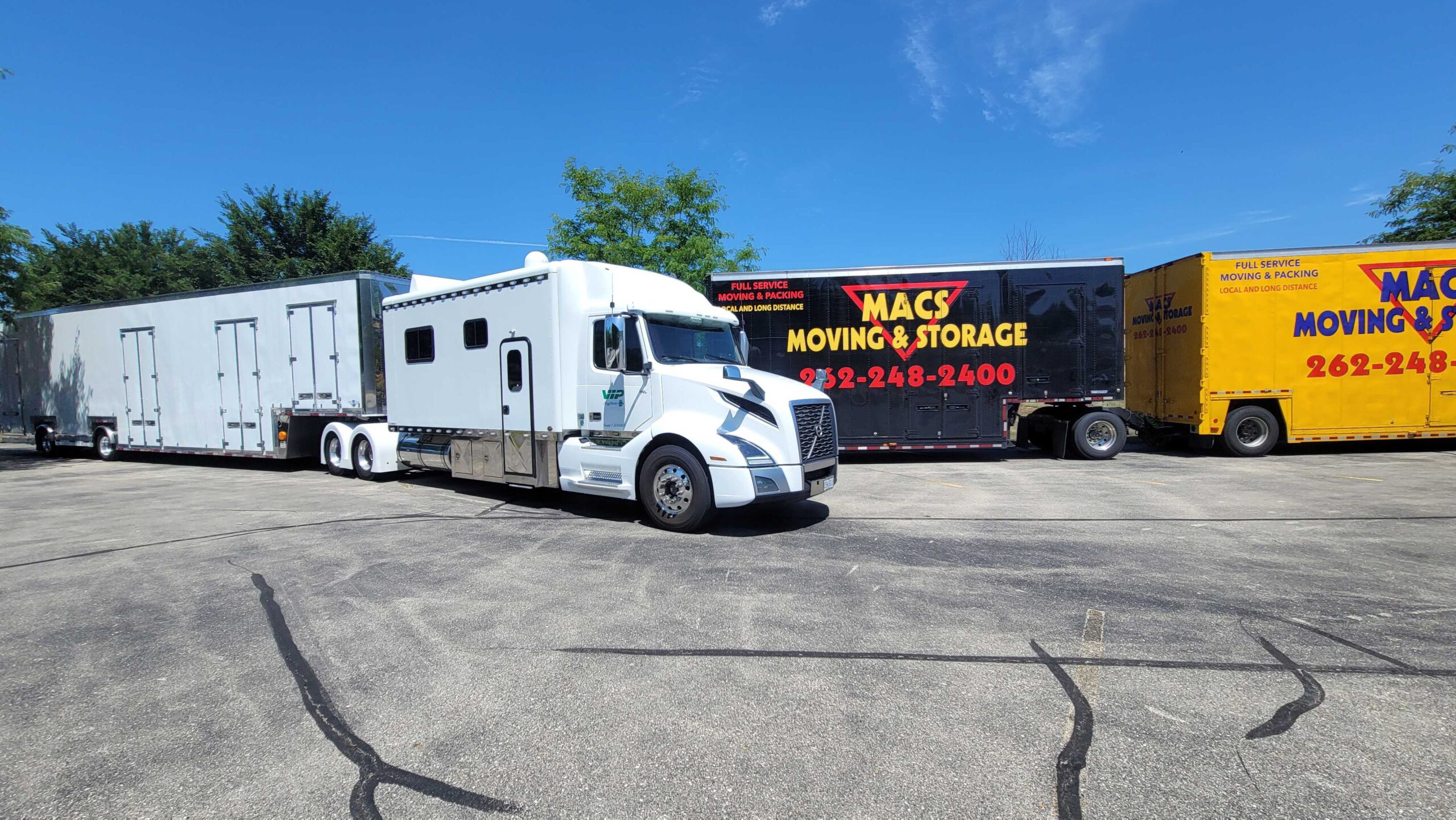
Trust MACs Moving & Storage for Any Season
At MACs Moving & Storage, we understand that weather does not always cooperate with moving plans. Our experienced team is prepared to handle moves during rain, snow, and extreme heat while helping protect your belongings every step of the way.
Whether you are planning a local move, long-distance relocation, or need temporary storage solutions, we help make moving day smoother regardless of the forecast.
Contact MACS Moving & Storage today to request a quote and start planning your move with confidence.