How to Spot a Bad Moving Company Before It’s Too Late
Hiring professional movers should make your move easier, not more complicated. Yet many moving delays, pricing surprises, and stressful moving days happen because customers simply did not know what information movers actually need.
At MACs Moving & Storage, we have handled everything from small apartment relocations to full household and long-distance moves. There are a few things professional movers consistently wish customers understood before booking moving services.
If you are planning a local or long-distance move, here is what you need to know upfront to avoid problems and keep your move smooth, efficient, and cost-effective.
Moving is already stressful. The last thing you need is to hand your belongings and your trust to a company that has no business handling either. Unfortunately, rogue movers are more common than most people realize, and by the time red flags become obvious, your furniture is already on a truck.
Some of the most common signs of a bad moving company are no written estimate, large upfront cash deposits, missing licensing or insurance, vague contracts, etc. Knowing what to look for before you book can save you thousands of dollars and a lot of heartache.
Here’s what every consumer should know before hiring a mover.
1. They Won’t Provide a Written Estimate
Any reputable moving company will put your estimate in writing. If a mover only offers a quote over the phone without seeing your home or doing a virtual walkthrough, that number is almost meaningless. It can balloon dramatically on moving day.
Lowball estimates are a common tactic used to win your business. Once your items are loaded, some companies use the inflated balance as leverage to collect more money before unloading.
What to watch for: Verbal-only quotes, refusal to do an in-home or video survey, and estimates that seem suspiciously low compared to competitors.
2. They Demand a Large Cash Deposit Before the Move
Legitimate movers don’t demand large cash deposits before the job is done. This is one of the oldest scams in the book. You pay, they show up late (or not at all), and getting your money back becomes a nightmare.
Some fraudulent companies collect deposits from multiple customers on the same day, then disappear entirely. By the time you realize what happened, they’ve moved on to the next target.
What to watch for: Any mover requiring more than a small deposit, or one that only accepts cash. Reputable companies accept standard payment methods and collect the balance upon delivery.
3. How to Check If a Moving Company Is Legitimate
A company with no reviews, a bare-bones website, or a name that keeps changing is a serious red flag. Some bad actors cycle through business names to dodge negative reviews and complaints filed with the Better Business Bureau.
Take a few minutes to search the company name alongside words like “scam,” “complaint,” or “review” before booking. You may be surprised what comes up.
What to watch for:
- Few or no Google reviews
- No physical address listed
- No licensing or insurance information on their website
- A name that doesn’t match what shows up on their trucks
How to verify a moving company: Every licensed mover operating across state lines is required to have a USDOT number issued by the Federal Motor Carrier Safety Administration (FMCSA). You can look up any mover’s registration, insurance status, and complaint history for free at safer.fmcsa.dot.gov. MACs Moving & Storage is fully licensed and insured, with a verifiable track record in the communities we serve.
4. The Contract Has Blank Fields or No Liability Terms
Before anything goes on a truck, you should sign a contract. If a mover hands you something with blank fields, fine-print traps, or language you don’t understand, stop. A contract protects you, and a company with nothing to hide will have a clean, complete one ready.
Binding estimate: A locked-in price that cannot increase regardless of the actual weight of your shipment.
Non-binding estimate: A price that can change based on actual weight or additional services. These are legal, but the final charge cannot exceed 110% of the original estimate on delivery day.
Know which type you’re signing before the truck pulls up.
What to watch for: Blank fields left to be filled in later, no clear liability terms, and no mention of what happens if your items are damaged or delayed.
5. They Can’t Explain Your Insurance and Liability Options
Every licensed interstate mover is required by federal law to offer two types of liability coverage. If a mover can’t explain what they cover or waves you off when you ask, that’s a problem. Your belongings have real value, and you deserve to know what happens if something breaks.
Released Value Protection: The default, no-cost option. Covers only $0.60 per pound per item, regardless of actual value.
Full Value Protection: Broader coverage that requires the mover to repair, replace, or pay the current market value for damaged items. This option typically comes with an additional cost.
What to watch for: Movers who say “don’t worry, we’ve never had a claim” or who can’t produce proof of insurance when asked.
At MACs, we walk every customer through their coverage options clearly and honestly, because you deserve to make an informed decision.
6. The Crew Shows Up With an Unmarked Rental Truck
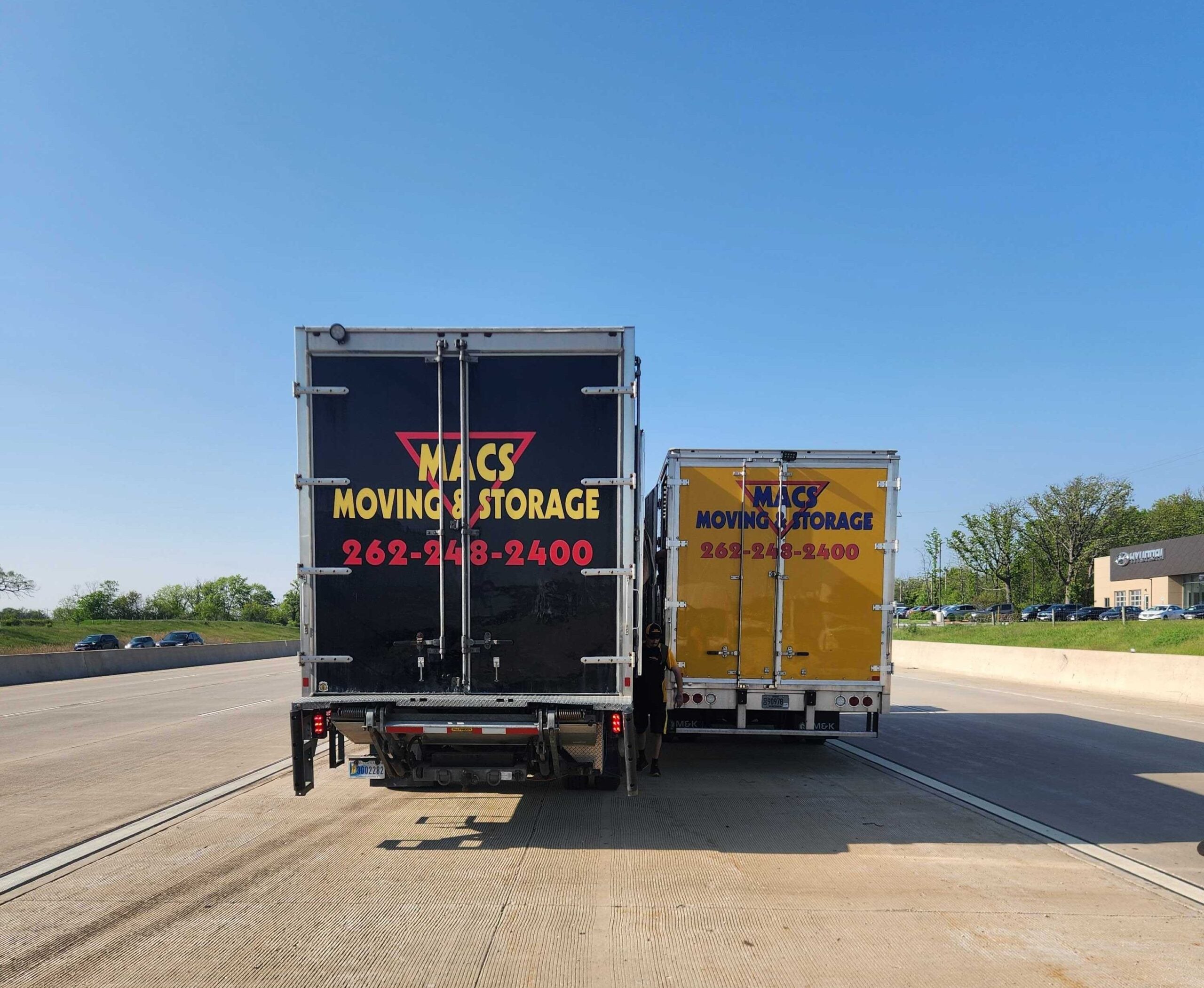
When your movers arrive, pay attention. Unmarked rental trucks, workers in street clothes, and no company ID badges are signs that the people handling your belongings may not be vetted employees. Some disreputable companies use day laborers with zero training and no accountability.
Professional movers take their work seriously. Branded equipment, uniforms, and proper tools aren’t just cosmetic. They reflect a company that invests in its people and its reputation.
What to watch for: No branded trucks, no uniforms, workers who seem unfamiliar with the company’s own processes.
7. What Is a Hostage Load in Moving?
A hostage load happens when a moving company picks up your belongings, then refuses to deliver them until you pay more than the original agreed-upon price. This practice is illegal under federal law, but it still happens, and disputing it after the fact is difficult and time-consuming.
Federal law gives you the right to be present when your shipment is weighed, and you can request a reweigh at any time before delivery. Knowing your rights before moving day is one of the best defenses against this scheme.
What to watch for: Any mover who changes pricing after loading the truck, or who creates reasons to delay delivery until additional fees are paid.
Questions About Hiring a Moving Company
How do I know if a moving company is legit? Look up their USDOT number at safer.fmcsa.dot.gov, verify they have a physical address, and check for consistent reviews across Google and the BBB. Legitimate movers will also provide a written estimate and a complete contract before moving day.
What is a red flag when hiring movers? The biggest red flags are large upfront cash deposits, verbal-only quotes, vague or incomplete contracts, no proof of insurance, and significantly lower prices than competitors.
What should I do if a moving company holds my belongings hostage? Contact the FMCSA at 1-888-368-7238 and file a complaint immediately. You can also contact local law enforcement. Do not pay additional fees without documenting everything in writing first.
What is the difference between a binding and non-binding moving estimate? A binding estimate guarantees your final price regardless of actual shipment weight. A non-binding estimate can change, but federal law caps the amount a mover can collect at delivery at 110% of the original quote.
Frequently Asked Questions
What are red flags when hiring a moving company?
No written estimate, large upfront cash demands, missing licensing or insurance, vague contracts, and prices that seem too low. Any one of these should make you pause. Multiple red flags together mean walk away.
Why won’t some movers give me a written estimate?
Because a verbal-only quote lets them inflate the price on moving day. Lowball estimates are a common tactic to win your business. Once your items are loaded, some companies use the higher balance as leverage before unloading.
Is it normal for movers to ask for a large cash deposit upfront?
No. Legitimate movers do not demand large cash deposits before the job is done. Some fraudulent companies collect deposits from multiple customers, then disappear. Never pay a large deposit in cash before your belongings are delivered.
How do I check if a moving company is licensed and insured?
Ask for their USDOT number for interstate moves. Verify it through the FMCSA website. Request proof of insurance. A company that avoids these questions is not worth hiring.
What should I do if a mover holds my stuff hostage for more money?
This is a scam tactic. Document everything, file a complaint with the FMCSA, and contact your state attorney general’s office. A reputable mover never holds belongings hostage. Always get a binding written estimate before loading begins.
Protect Your Move Before You Sign Anything
Before you book, ask for proof of licensing and insurance, get every detail in writing, and read recent reviews from verified customers. If anything feels off during the quoting process, trust that instinct.
MACs Moving & Storage has built its reputation on doing things right. We show up on time, treat your belongings with care, and keep you informed every step of the way. No gimmicks, no hidden fees, no surprises.
Ready to move with a company you can actually trust? Get your free, no-obligation estimate from MACs Moving & Storage today.
Choose a mover you can trust. MACS Moving & Storage is a licensed, insured Wisconsin moving company with 700+ five-star reviews—get a free quote today.